


Delving into Cash-Out Refinance vs. HELOC: Which is the Best Strategy for US Homeowners?, this introduction immerses readers in a unique and compelling narrative, with casual formal language style that is both engaging and thought-provoking from the very first sentence.
Exploring the nuances between Cash-Out Refinance and HELOC allows homeowners to make informed decisions regarding their financial strategies.
Understanding Cash-Out Refinance
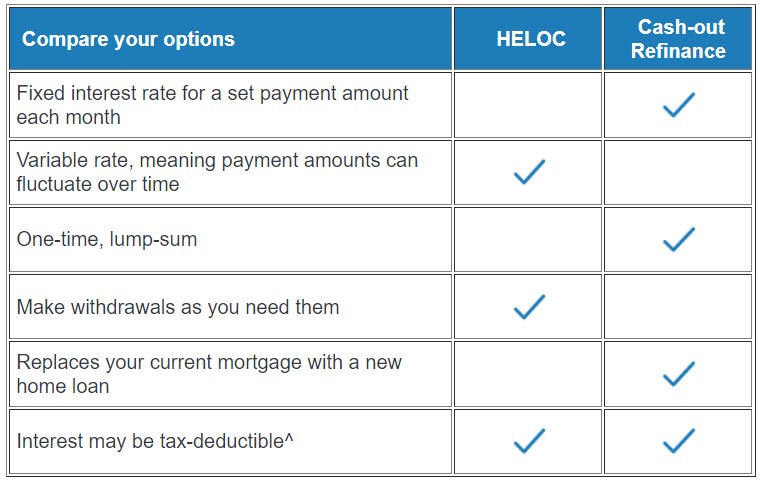 When homeowners choose to go for a cash-out refinance, they are essentially refinancing their mortgage for a higher amount than what they currently owe. The difference between the new loan amount and the existing mortgage balance is then received by the homeowner in cash.
How Cash-Out Refinance Works
During a cash-out refinance, the homeowner applies for a new mortgage that is larger than their current loan. The lender will then pay off the existing mortgage and provide the homeowner with the remaining amount in cash. This allows the homeowner to access the equity they have built up in their home.
Pros and Cons of Cash-Out Refinance
- Pros:
- Lower interest rates compared to other forms of borrowing, like personal loans or credit cards.
- Interest on the cash-out portion of the loan may be tax-deductible.
- Consolidation of higher-interest debt into a lower-interest mortgage.
- Cons:
- Increased risk of foreclosure if unable to make payments on the new, larger loan amount.
- Upfront closing costs and fees associated with refinancing.
- Lengthening of the loan term, potentially resulting in paying more interest over time.
Understanding HELOC
A home equity line of credit (HELOC) is a type of loan that allows homeowners to borrow against the equity in their homes. Unlike a cash-out refinance, a HELOC acts as a revolving line of credit, similar to a credit card, where you can borrow up to a certain limit, repay the borrowed amount, and borrow again.
How HELOC Works Differently from Cash-Out Refinance
- HELOC offers flexibility in borrowing as it allows homeowners to access funds as needed, making it a better option for ongoing expenses or projects with fluctuating costs.
- With a HELOC, you only pay interest on the amount you borrow, not the entire credit line, which can result in lower monthly payments compared to a cash-out refinance.
- HELOC typically has a variable interest rate, meaning your payments can fluctuate based on market conditions, unlike the fixed rate offered in a cash-out refinance.
Advantages and Disadvantages of Using a HELOC
- Advantages:
- Flexibility in borrowing and repayments
- Lower upfront costs compared to a cash-out refinance
- Interest payments may be tax-deductible if the funds are used for home improvements
- Disadvantages:
- Variable interest rates can lead to higher payments over time
- Risk of losing your home if you cannot repay the loan
- May not be suitable for large one-time expenses due to borrowing limits
Eligibility Criteria
When it comes to accessing the equity in your home, understanding the eligibility criteria for a cash-out refinance or a HELOC is crucial. Let's take a closer look at the typical requirements for each option.
Cash-Out Refinance
For a cash-out refinance, homeowners typically need to meet certain criteria to qualify:
- Minimum credit score: Lenders usually require a credit score of at least 620, but a higher score may be necessary for the best rates.
- Loan-to-value ratio: Most lenders cap the loan-to-value ratio at 80%, meaning you can only borrow up to 80% of your home's value.
- Debt-to-income ratio: Lenders also consider your debt-to-income ratio, with a lower ratio being more favorable for approval.
- Stable income: Demonstrating a stable income is essential to show your ability to repay the loan.
HELOC
When it comes to qualifying for a Home Equity Line of Credit (HELOC), homeowners must meet specific requirements:
- Equity in the home: Lenders typically require a minimum amount of equity in the home, often around 15% to 20%.
- Good credit score: While requirements vary, a credit score of 620 or higher is often needed to qualify for a HELOC.
- Income verification: Lenders will assess your income to ensure you have the means to repay the line of credit.
- Debt-to-income ratio: Similar to a cash-out refinance, lenders consider your debt-to-income ratio when evaluating your application.
Comparison of Qualification Standards
While both options require a minimum credit score and consider your debt-to-income ratio, a cash-out refinance typically requires a higher credit score and stricter loan-to-value ratio. On the other hand, a HELOC may have more flexibility in terms of credit score requirements but relies heavily on the amount of equity you have in your home. Understanding these eligibility criteria can help you determine which option may be the best fit for your financial situation.
Interest Rates and Costs
When it comes to choosing between a cash-out refinance and a HELOC, understanding the interest rates and costs associated with each option is crucial in making an informed decisionInterest Rates for Cash-Out Refinances
Interest rates for cash-out refinances are typically fixed and are based on current market rates, the borrower's credit score, and the loan amount. Lenders may also take into account the loan-to-value ratio, which is the amount of the loan compared to the value of the home.
Interest Rate Structure for a HELOC
A Home Equity Line of Credit (HELOC) usually comes with a variable interest rate, which means that the rate can fluctuate over time based on market conditions. The initial rate may be lower than that of a cash-out refinance, but it can increase over the life of the loan.
Costs Associated with Each Option
Both cash-out refinances and HELOCs come with costs such as closing costs, application fees, appraisal fees, and potential early termination fees. Cash-out refinances typically have higher closing costs compared to HELOCs, which may have lower upfront fees but could come with higher interest rates in the long run.
Financial Implications
When considering a cash-out refinance or a HELOC, it is crucial to understand the financial implications of each option. Let's explore how these strategies can impact a homeowner's financial situation.
Cash-Out Refinance Impact
A cash-out refinance involves replacing your existing mortgage with a new one that is larger than the current loan balance, allowing you to withdraw the difference in cash. This can have the following financial implications:
- Lower interest rate: If you can secure a lower interest rate with the new mortgage, you could potentially save money on interest payments over the life of the loan.
- Increased monthly payments: With a larger loan amount, your monthly mortgage payments may increase, impacting your monthly cash flow.
- Overall debt increase: By tapping into your home equity, you are essentially increasing your overall debt, which could affect your financial stability in the long run.
HELOC Financial Implications
HELOC, on the other hand, allows you to borrow against the equity in your home with a revolving line of credit. Here are the financial implications of using a HELOC:
- Variable interest rates: HELOCs often come with variable interest rates, which means your monthly payments can fluctuate based on market conditions, potentially leading to higher payments over time.
- Access to funds when needed: HELOC provides flexibility in accessing funds as needed, but it also carries the risk of overspending and accumulating more debt.
- Potential for foreclosure: If you are unable to make payments on your HELOC, you could be at risk of losing your home through foreclosure.
Long-Term Financial Effects
Comparing the long-term financial effects of both strategies, it is essential to consider factors such as interest rates, repayment terms, and overall financial goals:
- Cash-out refinance may be beneficial if you can secure a lower interest rate and consolidate high-interest debt, leading to potential savings in interest payments.
- HELOC can provide flexibility in accessing funds for home improvements or emergencies, but the variable interest rates and potential debt accumulation should be carefully managed to avoid financial instability.
- Ultimately, the best strategy depends on your individual financial situation, goals, and risk tolerance. It is advisable to consult with a financial advisor to determine the most suitable option for your specific needs.
Concluding Remarks
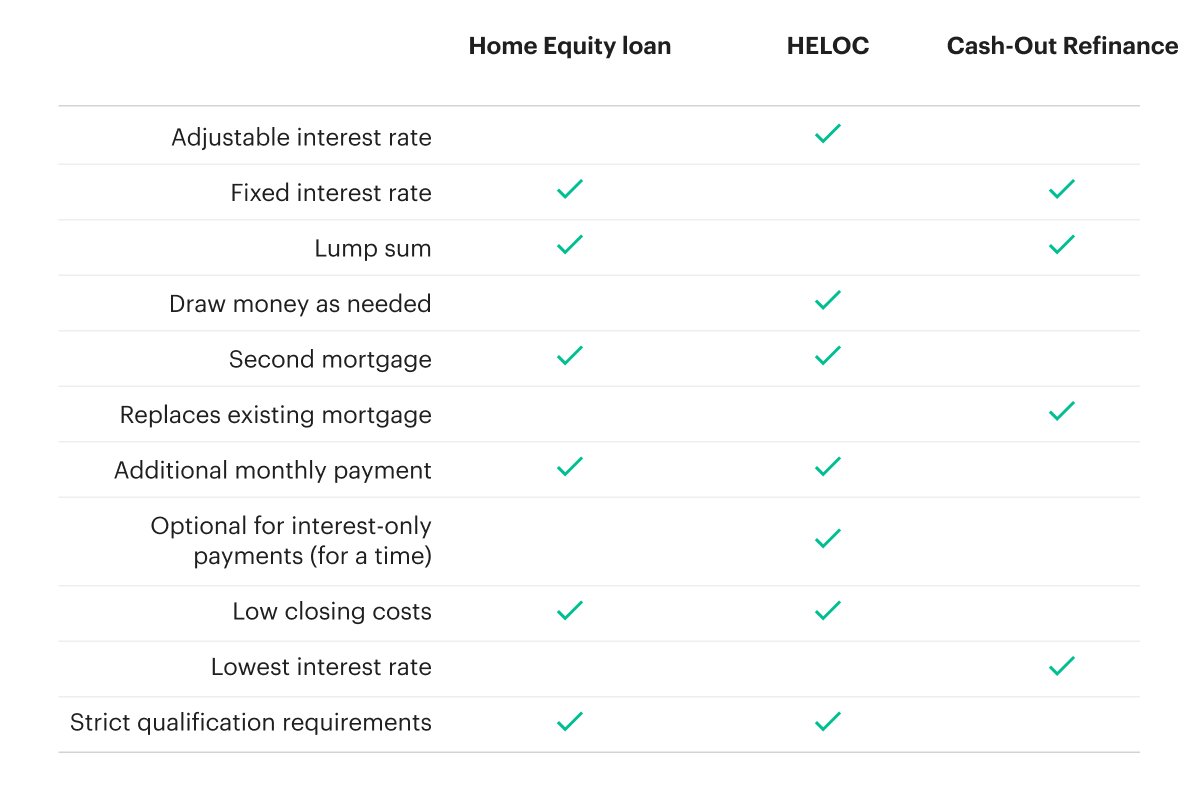
In conclusion, understanding the differences between Cash-Out Refinance and HELOC is crucial for homeowners looking to optimize their financial situations. By weighing the pros and cons of each option, individuals can make the best choice based on their specific needs and circumstances.
FAQ
What are the key differences between Cash-Out Refinance and HELOC?
Cash-Out Refinance involves replacing your current mortgage with a new one for a larger amount, while HELOC allows you to borrow against the equity in your home without refinancing the existing mortgage.
How do interest rates compare between Cash-Out Refinance and HELOC?
Interest rates for Cash-Out Refinance are typically lower and fixed, while HELOC rates are variable and tied to the prime rate.
Which option is better for short-term financial needs?
For short-term needs, a HELOC might be more suitable due to its flexibility in borrowing and repayment terms.
How does each option impact credit scores?
Both Cash-Out Refinance and HELOC can affect credit scores, as they involve taking on additional debt which can alter credit utilization ratios.