


Exploring the landscape of Fixed vs. Variable Mortgage Rates in Australia and predicting the market direction in 2026, this introduction sets the stage for a detailed analysis that captivates readers.
Providing insights into the nuances of fixed and variable rates, this paragraph aims to inform and engage readers right from the start.
Overview of Fixed and Variable Mortgage Rates
When it comes to mortgage rates in Australia, homebuyers typically have the option to choose between fixed and variable rates. Each type of rate has its own set of advantages and considerations, making the decision an important one for anyone looking to purchase a home.
Fixed Mortgage Rates
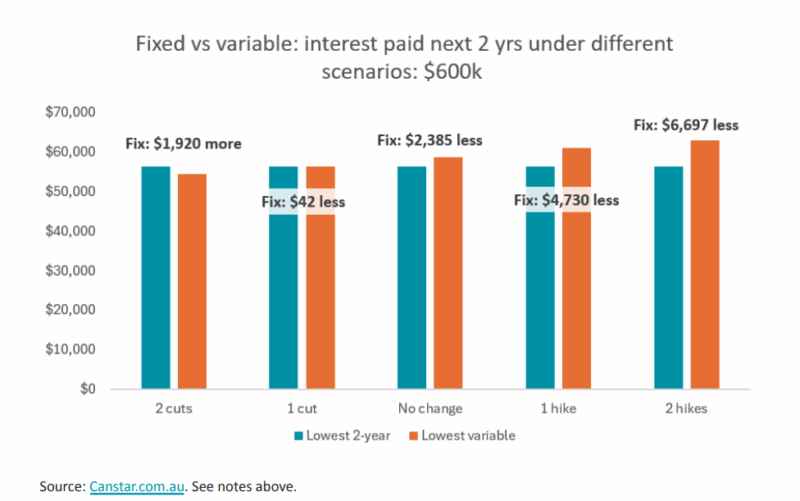
Fixed mortgage rates refer to interest rates that remain constant for a predetermined period, usually between one to five years. This means that regardless of any fluctuations in the market, the interest rate on the loan will stay the same. Homebuyers who opt for fixed rates have the advantage of knowing exactly how much their mortgage payments will be each month, providing stability and predictability in their budgeting.
Variable Mortgage Rates
On the other hand, variable mortgage rates fluctuate according to changes in the market interest rates set by the Reserve Bank of Australia. This means that the monthly mortgage payments can vary over time, depending on economic conditions. While variable rates can sometimes be lower than fixed rates, they also carry the risk of increasing unexpectedly, leading to higher monthly payments for homeowners.
Significance of Choosing Between Fixed and Variable Rates for Homebuyers
The decision between fixed and variable mortgage rates can have a significant impact on a homebuyer's financial situation. Those who prioritize stability and prefer to know exactly how much they will be paying each month may opt for fixed rates. On the other hand, borrowers who are comfortable with some level of uncertainty and are willing to take on the risk of potential rate increases may choose variable rates. Understanding the differences between these two options is crucial for making an informed decision that aligns with one's financial goals and risk tolerance.
Factors Influencing Mortgage Rates in Australia
 The mortgage rates in Australia are influenced by a variety of factors, both domestic and international. Understanding these key factors is crucial for borrowers and investors to make informed decisions regarding fixed and variable mortgage rates.
Key Economic Factors
- The Reserve Bank of Australia's Cash Rate: The RBA's decisions on the official cash rate have a direct impact on mortgage rates. When the RBA increases the cash rate, banks typically raise their interest rates on mortgages, making borrowing more expensive for consumers.
- Economic Growth and Inflation: Strong economic growth and high inflation can lead to higher mortgage rates as lenders adjust their rates to compensate for increased borrowing costs.
- Unemployment Rates: High levels of unemployment can result in lower mortgage rates as central banks may lower interest rates to stimulate economic activity and boost borrowing.
- Housing Market Conditions: The state of the housing market, including supply and demand dynamics, can also influence mortgage rates. A booming housing market may lead to higher rates, while a sluggish market could result in lower rates.
Reserve Bank of Australia’s Decisions
- The RBA's Monetary Policy: The RBA's monetary policy decisions, including changes to the cash rate and other policy instruments, play a significant role in shaping mortgage rates in Australia. These decisions are made with the aim of achieving price stability and full employment.
- Market Expectations: Market participants closely monitor the RBA's communications and announcements to anticipate future rate movements. Expectations of future rate changes can impact current mortgage rates as lenders adjust their pricing accordingly.
- Global Economic Conditions: The RBA also takes into account global economic conditions, including trends in major economies and financial markets, when setting monetary policy. Developments such as changes in global interest rates or geopolitical events can influence the RBA's decisions and, in turn, mortgage rates in Australia.
Historical Trends in Australian Mortgage Rates
Over the years, Australian mortgage rates have experienced fluctuations, impacting both fixed and variable rates. These changes are influenced by various economic factors and market conditions.
Fixed Mortgage Rates
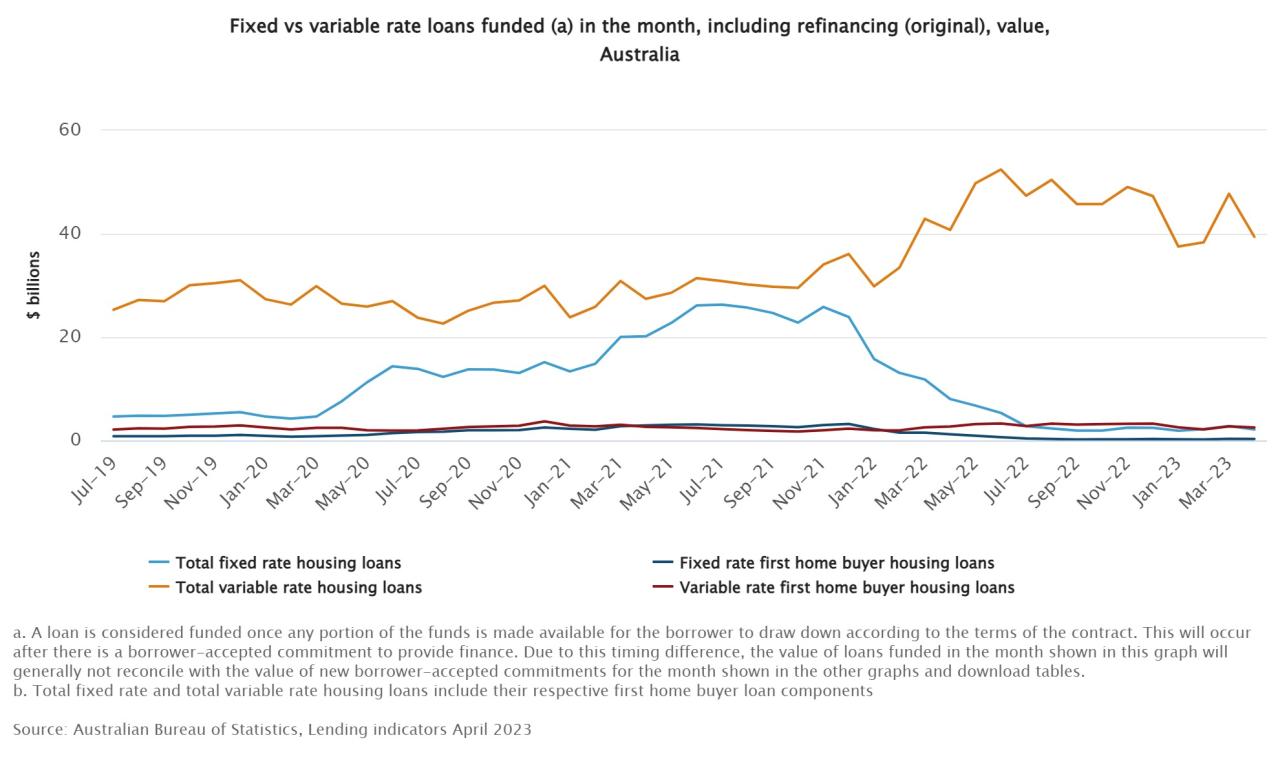
Fixed mortgage rates in Australia have shown a trend of stability over the past decade. In the aftermath of the global financial crisis in 2008, fixed rates dropped significantly to stimulate the housing market. However, in recent years, these rates have gradually increased as the economy recovered and inflationary pressures mounted.
Variable Mortgage Rates
Variable mortgage rates have been more volatile compared to fixed rates. Historically, these rates have followed the movements of the Reserve Bank of Australia's official cash rate. When the central bank lowers the cash rate, variable mortgage rates tend to decrease, and vice versa. This direct correlation has led to fluctuations in variable rates over time.
Current Market Outlook for 2026
As we look ahead to 2026, the forecast for fixed and variable mortgage rates in Australia remains a topic of great interest and speculation. Experts are closely monitoring various economic indicators to predict whether rates are likely to rise, fall, or remain stable in the coming year.
Expert Predictions for Mortgage Rates
Experts in the financial industry are divided on their predictions for mortgage rates in 2026. Some believe that the ongoing economic recovery and potential interest rate hikes by the Reserve Bank of Australia could lead to an increase in both fixed and variable mortgage rates. On the other hand, others argue that global economic uncertainties and inflationary pressures may keep rates relatively stable or even cause a slight decrease.
External Factors Impacting Mortgage Rates
- The Reserve Bank of Australia's monetary policy decisions play a crucial role in determining mortgage rates. Any changes in the official cash rate can directly influence the cost of borrowing for homeowners.
- Global economic conditions, such as trade tensions, geopolitical events, and fluctuations in commodity prices, can also impact mortgage rates in Australia. Uncertainties in the international market may lead to changes in interest rates.
- The domestic housing market and property prices can affect mortgage rates as well. A booming real estate sector may push rates higher, while a slowdown could prompt lenders to offer more competitive rates to attract borrowers.
Conclusive Thoughts
Wrapping up the discussion on Fixed vs. Variable Mortgage Rates in Australia: Where is the Market Heading in 2026?, this conclusion summarizes key points and leaves readers with a lasting impression.
Clarifying Questions
What factors should homebuyers consider when choosing between fixed and variable mortgage rates?
Homebuyers should consider their risk tolerance, financial goals, and the current economic conditions before deciding between fixed and variable rates.
How do the Reserve Bank of Australia's decisions impact mortgage rates?
The Reserve Bank of Australia's decisions on interest rates can directly influence the borrowing costs for lenders, which in turn affects mortgage rates for consumers.
Can historical data on mortgage rates help predict future rate movements accurately?
While historical data can provide insights into trends and patterns, predicting future rate movements with absolute certainty is challenging due to the constantly evolving economic landscape.