


Fixed-Rate Mortgages in Germany: Why 10-Year and 15-Year Terms Are the Safest Bet sets the stage for this enthralling narrative, offering readers a glimpse into a story that is rich in detail with casual formal language style and brimming with originality from the outset.
The discussion of fixed-rate mortgages delves into the nuances of 10-year and 15-year terms, shedding light on why they are deemed the most secure options in the market.
Fixed-Rate Mortgages Overview
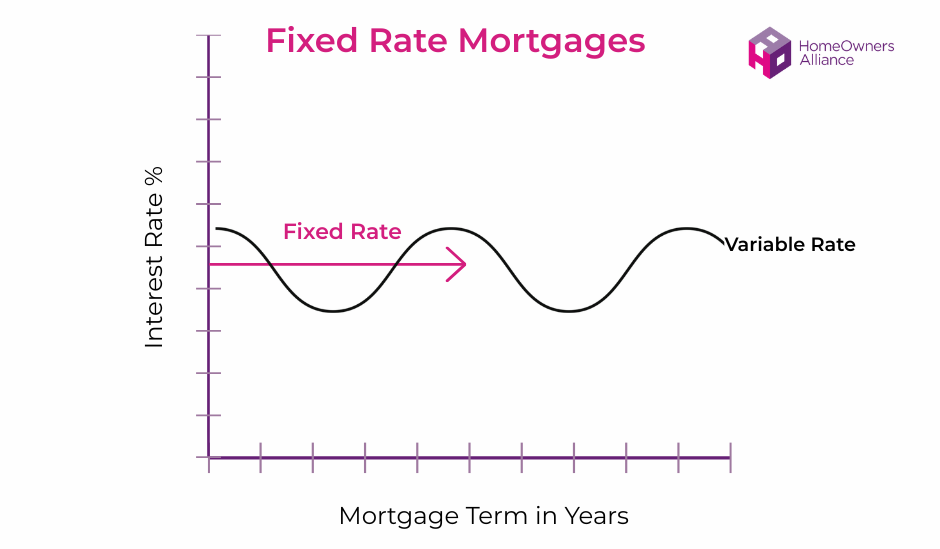
Fixed-rate mortgages are a type of home loan where the interest rate remains constant throughout the life of the loan. This means that your monthly payments will stay the same, providing predictability and stability to homeowners.Key Features of Fixed-Rate Mortgages: - Interest Rate Stability: One of the main advantages of fixed-rate mortgages is that borrowers know exactly how much they need to pay each month, making budgeting easier. - Protection Against Interest Rate Increases: With a fixed-rate mortgage, you are shielded from rising interest rates, unlike adjustable-rate mortgages where your monthly payments can fluctuate. - Long-Term Planning: Fixed-rate mortgages are ideal for homeowners who prefer long-term financial planning and want to avoid the uncertainty of interest rate changes.Comparison with Adjustable-Rate Mortgages
When comparing fixed-rate mortgages with adjustable-rate mortgages, the key differences lie in how the interest rate is structured:- Fixed-Rate Mortgages: Interest rate remains constant for the entire loan term, providing stability and predictability in monthly payments.
- Adjustable-Rate Mortgages: Interest rate can change periodically based on market conditions, leading to fluctuations in monthly payments.
Importance of 10-Year and 15-Year Terms
When it comes to fixed-rate mortgages in Germany, opting for either a 10-year or 15-year term is often seen as a safe choice due to various reasons.
Advantages of Choosing a 10-Year Term
Choosing a 10-year term for your fixed-rate mortgage offers certain advantages over a 15-year term. One key benefit is the lower interest rates typically associated with shorter loan terms. This means you could potentially save money on interest payments over the life of the loan. Additionally, a 10-year term provides a sense of security and predictability, as your monthly payments remain stable for the entire term.
Scenarios where a 15-Year Term Might Be Beneficial
While a 10-year term has its advantages, there are scenarios where opting for a 15-year term might be more beneficial. For instance, if you are looking for lower monthly payments, a 15-year term could be a better option as it allows you to spread out your payments over a longer period. This can be advantageous if you have other financial commitments or prefer to have more flexibility with your cash flow.
Interest Rates and Stability
Understanding how interest rates impact the stability of fixed-rate mortgages is crucial for making informed decisions when choosing between 10-year and 15-year terms.
Interest Rates for 10-Year and 15-Year Terms in Germany
Currently, in the German market, interest rates for 10-year fixed-rate mortgages tend to be lower compared to 15-year fixed-rate mortgages. This difference in interest rates can significantly impact the total amount paid over the loan term.
- On average, 10-year fixed-rate mortgages in Germany have an interest rate of around 1.5% to 2%, making them an attractive option for borrowers looking for lower monthly payments and overall interest costs.
- In contrast, 15-year fixed-rate mortgages typically have slightly higher interest rates ranging from 2% to 2.5%, resulting in higher monthly payments but providing more rate stability over a longer period.
Fluctuations in Interest Rates and Mortgage Payments
Fluctuations in interest rates can have a significant impact on mortgage payments, especially for borrowers with fixed-rate mortgages.
- When interest rates rise, borrowers with fixed-rate mortgages are protected from increased monthly payments, providing a sense of stability and predictability in their housing costs.
- Conversely, if interest rates decrease, borrowers with fixed-rate mortgages do not benefit from lower rates unless they refinance their loans. This lack of flexibility can be a drawback in a falling rate environment.
Pros and Cons of 10-Year and 15-Year Terms
When considering fixed-rate mortgages in Germany, it is crucial to weigh the advantages and disadvantages of both 10-year and 15-year terms to make an informed decision.Advantages of Opting for a 10-Year Fixed-Rate Mortgage
- Lower Interest Rates: Typically, 10-year fixed-rate mortgages come with lower interest rates compared to longer-term options, allowing borrowers to save on interest costs over the life of the loan.
- Shorter Loan Duration: With a 10-year term, borrowers can pay off their mortgage faster, reducing the total amount of interest paid and owning their home outright sooner.
- Predictable Payments: Monthly payments remain consistent throughout the term, providing stability and easier budgeting for homeowners.
Drawbacks of Choosing a 15-Year Fixed-Rate Mortgage
- Higher Interest Rates: 15-year fixed-rate mortgages often come with slightly higher interest rates compared to 10-year terms, leading to increased overall interest expenses.
- Longer Loan Duration: While 15-year terms allow borrowers to pay off their mortgage faster than traditional 30-year loans, the commitment to higher monthly payments may be challenging for some homeowners.
- Limited Flexibility: With a shorter loan term, borrowers have less flexibility in adjusting their monthly payments in case of financial fluctuations or unexpected expenses.
Long-Term Financial Implications
- 10-Year Term: Opting for a 10-year fixed-rate mortgage can result in substantial interest savings over the loan term, making it an attractive option for those seeking to pay off their mortgage quickly and save on interest costs.
- 15-Year Term: While a 15-year fixed-rate mortgage allows borrowers to build equity faster and pay off their loan sooner than longer terms, the higher monthly payments and limited flexibility may pose challenges for some homeowners, impacting their overall financial stability.
Ending Remarks
In conclusion, the safety and stability of 10-year and 15-year fixed-rate mortgages make them a prudent choice for borrowers in Germany. This insightful exploration highlights the key factors that make these terms the safest bet for long-term financial planning.
Query Resolution
What are the main differences between fixed-rate mortgages and adjustable-rate mortgages?
Fixed-rate mortgages offer stable interest rates throughout the loan term, while adjustable-rate mortgages have fluctuating rates. This stability makes fixed-rate mortgages a safer choice for many borrowers.
How do fluctuations in interest rates affect mortgage payments for 10-year and 15-year terms?
Fluctuations in interest rates can impact mortgage payments differently for 10-year and 15-year terms. A rise in rates may increase payments for a 15-year term more significantly due to the longer repayment period.
What are the drawbacks of choosing a 15-year fixed-rate mortgage over a 10-year term?
One drawback of a 15-year term is higher monthly payments compared to a 10-year term. Additionally, the longer repayment period may result in paying more interest over time.