


As Current Mortgage Rates in the USA: Is Now the Right Time to Lock In a Fixed Rate? takes center stage, this opening passage beckons readers with engaging insights into the world of mortgage rates, offering a blend of information and analysis that is both informative and thought-provoking.
The following paragraph delves deeper into the topic, providing valuable insights and perspectives on the current state of mortgage rates in the USA.
Overview of Current Mortgage Rates in the USA
Currently, mortgage rates in the USA are experiencing fluctuations influenced by various factors, impacting both homebuyers and the real estate market.
Factors Influencing Fluctuations in Mortgage Rates
The following factors play a significant role in the fluctuations of mortgage rates:
- Economic indicators such as inflation rates, unemployment numbers, and GDP growth.
- The Federal Reserve's monetary policy decisions, particularly regarding interest rates.
- Market conditions and investor sentiment, which can lead to changes in bond yields.
- The overall health of the housing market and demand for mortgages.
Impact of Mortgage Rates on Homebuyers and the Real Estate Market
The fluctuation of mortgage rates has a direct impact on homebuyers and the real estate market:
- Lower mortgage rates can make homeownership more affordable, leading to increased demand for homes.
- Higher mortgage rates can deter potential buyers, slowing down the real estate market.
- Changes in mortgage rates can affect the affordability of monthly mortgage payments for homeowners.
- Mortgage rates can influence the refinancing decisions of current homeowners.
Importance of Timing in Locking In a Fixed Rate
When it comes to locking in a fixed mortgage rate, timing is crucial. The decision to secure a fixed rate can significantly impact your overall financial situation over the life of the loan. It's essential to understand the significance of timing when making this important decision.Fixed-rate mortgages offer stability and predictability, with your monthly payments staying the same throughout the loan term. In contrast, adjustable-rate mortgages can fluctuate based on market conditions, potentially leading to higher payments in the future. Therefore, locking in a fixed rate can provide peace of mind and protection against rising interest rates.Benefits of Fixed-Rate Mortgages vs. Adjustable-Rate Mortgages
- Stability: Fixed-rate mortgages offer consistent monthly payments, making budgeting easier.
- Predictability: You won't have to worry about your mortgage payment increasing unexpectedly.
- Protection: Locking in a fixed rate shields you from rising interest rates in the future.
Strategies for Determining the Optimal Time to Secure a Fixed Rate
- Monitor Interest Rates: Keep an eye on current mortgage rates and trends to identify when rates are favorable.
- Economic Indicators: Pay attention to economic factors that can influence interest rates, such as inflation and job market conditions.
- Consult with a Mortgage Professional: Seek guidance from a mortgage expert who can help you assess your financial situation and determine the best time to lock in a fixed rate.
Factors to Consider Before Locking In a Fixed Rate
When deciding to lock in a fixed mortgage rate, there are several key factors that individuals should carefully consider to ensure they are making the right financial decision.Economic Indicators and Mortgage Rate Decisions
Economic indicators play a crucial role in determining mortgage rates. Factors such as inflation rates, employment data, and Federal Reserve policies can all impact the direction of mortgage rates. It is essential to stay informed about these economic indicators to anticipate potential changes in mortgage rates.- Monitor inflation rates and forecasts to gauge the overall economic health, as higher inflation can lead to higher mortgage rates.
- Keep an eye on employment data, such as job growth and unemployment rates, as a strong job market can push mortgage rates higher.
- Understand the Federal Reserve's monetary policy decisions, as changes in interest rates set by the Fed can influence mortgage rates.
Personal Financial Readiness Evaluation
Before locking in a fixed rate, individuals should assess their personal financial readiness to ensure they can comfortably afford the mortgage payments over the long term.It is crucial to review your current income, expenses, and debt levels to determine if you are financially stable enough to commit to a fixed mortgage rate.
- Calculate your debt-to-income ratio to see if you have room in your budget for a mortgage payment without overextending yourself.
- Consider your credit score and history, as a higher credit score can qualify you for better mortgage rates.
- Evaluate your savings and emergency fund to ensure you have a financial cushion in case of unexpected expenses or changes in income.
Comparison of Fixed Rates Across Different Lenders
When looking for a fixed-rate mortgage, it's essential to compare the rates offered by different lenders to ensure you are getting the best deal possible. Lenders may have varying rates based on several factors, so shopping around can help you find the most competitive option for your financial situation.Credit Scores and Loan Amounts Impact on Fixed Rates
Credit scores and loan amounts play a significant role in the fixed rates offered by lenders. Borrowers with higher credit scores typically qualify for lower interest rates, while those with lower scores may face higher rates. Additionally, the loan amount can impact the rate, with larger loans sometimes resulting in lower rates due to the potential for more interest income for the lender.
- Higher credit scores can lead to lower fixed rates.
- Larger loan amounts might result in more competitive fixed rates.
- Lower credit scores could mean higher fixed rates.
Importance of Shopping Around for the Best Fixed Rate Deal
When considering a fixed-rate mortgage, it's crucial to explore multiple lenders to find the best deal for your specific financial circumstances. By comparing rates from different lenders, you can potentially save thousands of dollars over the life of your loan. Take the time to research and negotiate with lenders to secure the most favorable fixed rate available.| Lender | Fixed Rate (%) |
|---|---|
| Lender A | 3.25% |
| Lender B | 3.15% |
| Lender C | 3.40% |
Final Review
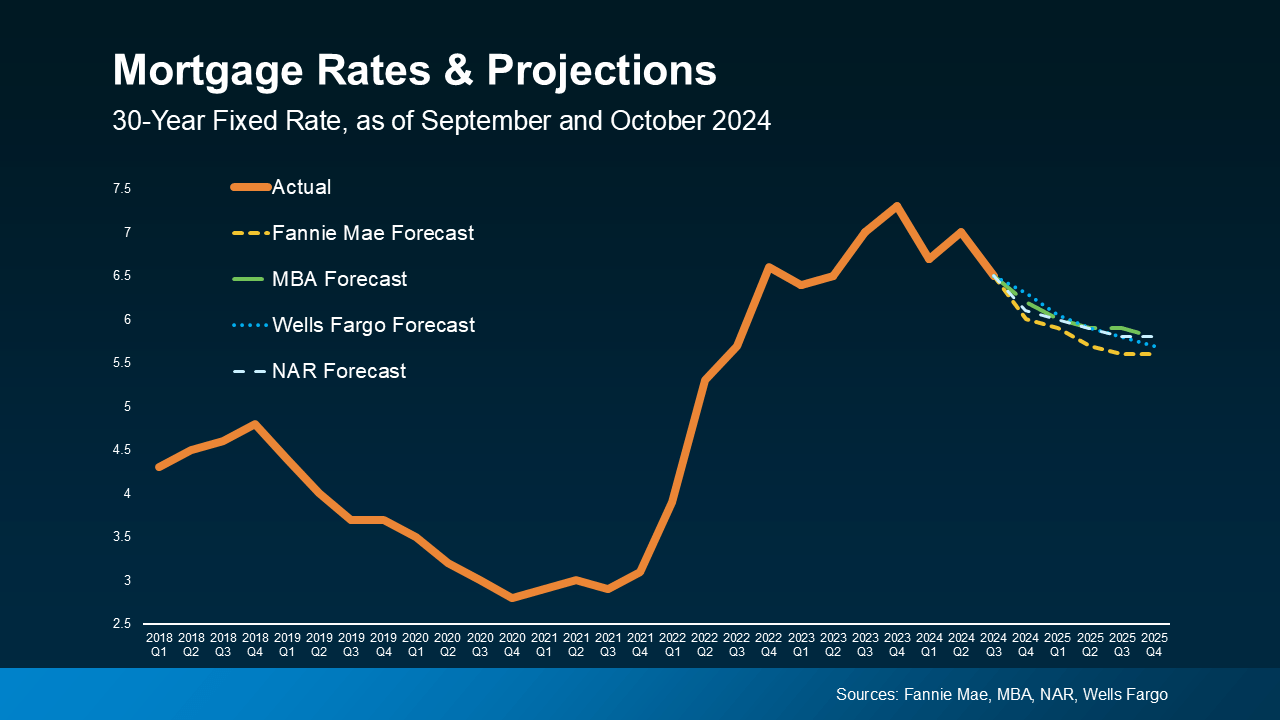
In conclusion, the discussion on Current Mortgage Rates in the USA: Is Now the Right Time to Lock In a Fixed Rate? presents a comprehensive look at the factors influencing mortgage rates and offers valuable advice for those looking to secure a fixed rate.
Questions and Answers
What factors influence fluctuations in mortgage rates?
Mortgage rates are influenced by factors such as inflation, economic indicators, and government policies.
How can individuals determine the optimal time to secure a fixed rate?
One strategy is to monitor market trends and interest rate forecasts to identify favorable times to lock in a fixed rate.
Why is it important to compare fixed rates across different lenders?
Comparing rates allows borrowers to find the best deal and potentially save money over the life of the loan.