


Embark on a journey through the complexities of the Australian Mortgage Cliff with our strategic guide to refinancing your home loan. Explore how homeowners can navigate this challenging terrain and make informed decisions for their financial future.
Understanding the Australian Mortgage Cliff
 The Australian Mortgage Cliff refers to the impending rise in mortgage repayments as interest-only periods on home loans come to an end. This phenomenon is expected to impact a significant number of homeowners across the country.Factors contributing to the current situation include the end of interest-only loan terms, leading to a shift to principal and interest repayments. Additionally, rising interest rates and stagnant wage growth add to the financial strain faced by homeowners.
Impact on Homeowners
- Increased Financial Burden: Homeowners transitioning from interest-only to principal and interest repayments may face a significant increase in their monthly mortgage payments, putting a strain on their finances.
- Risk of Default: The higher repayments coupled with economic challenges could increase the risk of mortgage defaults among vulnerable homeowners.
- Property Values: The mortgage cliff may also impact property values as distressed sales increase and demand weakens in certain areas.
Importance of Refinancing Your Home Loan
Refinancing your home loan can be a strategic move in the current economic climate, especially as homeowners navigate the challenges posed by the Australian Mortgage Cliff. By understanding the benefits of refinancing and knowing when the right time to consider it is, homeowners can take control of their financial situation and potentially save money in the long run.Benefits of Refinancing in the Current Economic Climate
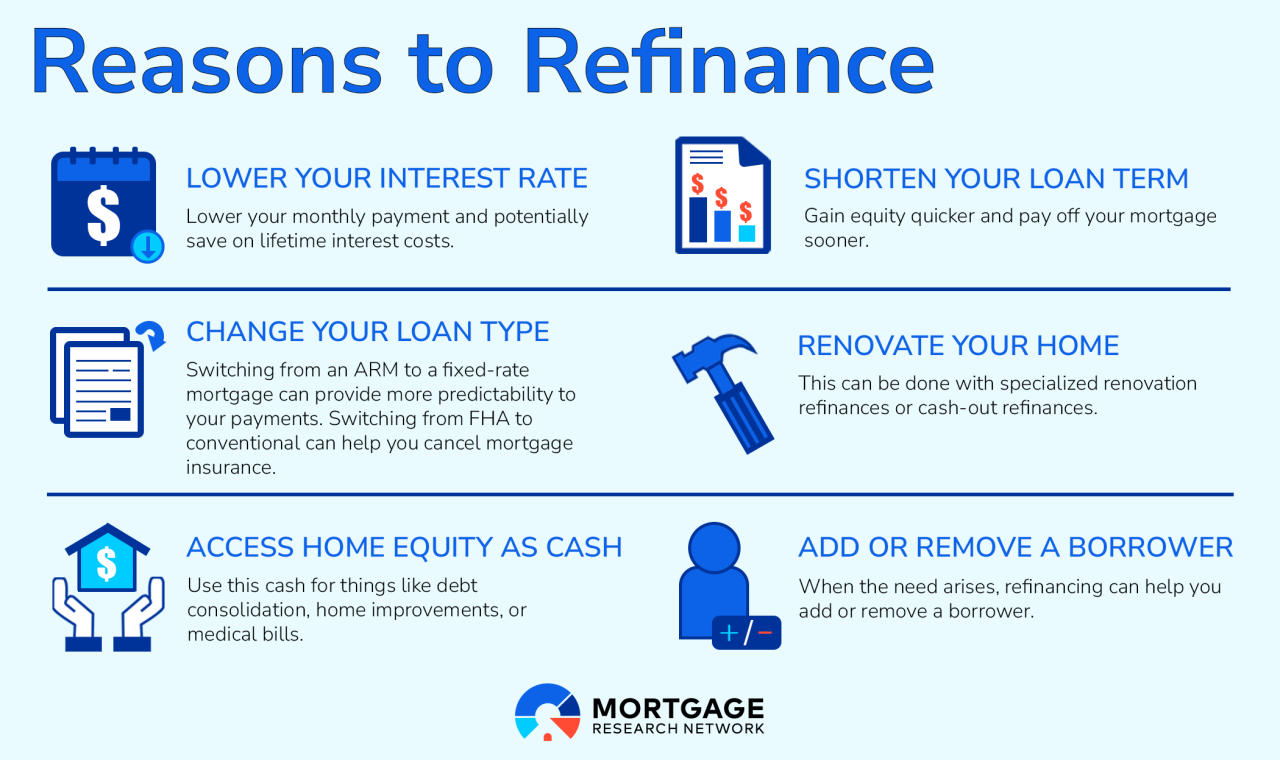
- Lower Interest Rates: Refinancing allows you to take advantage of lower interest rates, potentially reducing your monthly mortgage payments.
- Access Equity: Refinancing can help you access the equity in your home for other financial needs, such as renovations or investments.
- Consolidate Debt: By refinancing, you can consolidate high-interest debt into your mortgage, potentially saving money on interest payments.
- Switch to a Fixed Rate: Refinancing gives you the option to switch from a variable rate to a fixed rate, providing stability in uncertain economic times.
How Refinancing Can Help Homeowners Navigate the Australian Mortgage Cliff
Refinancing can help homeowners facing the Australian Mortgage Cliff by providing them with the opportunity to secure better terms on their home loan. By refinancing at a lower interest rate or extending the loan term, homeowners can alleviate financial pressure and better manage their mortgage payments during challenging times.Tips on When It’s the Right Time to Consider Refinancing
- When Interest Rates Drop: Keep an eye on interest rate movements and consider refinancing when rates are lower than what you're currently paying.
- If Your Credit Score Has Improved: A higher credit score can qualify you for better loan terms, making it a good time to refinance.
- When Your Financial Situation Changes: If you've experienced a positive change in your financial situation, such as a salary increase or decrease in debt, refinancing could be beneficial.
- Before Your Fixed Rate Expires: If you're on a fixed-rate mortgage, consider refinancing before the term ends to avoid potentially higher rates.
Strategies for Finding the Best Home Loan Refinancing Options
When it comes to refinancing your home loan in Australia, it's essential to explore various options to find the best deal that suits your financial situation. Here are some strategies to help you navigate through the process effectively.Compare Different Types of Home Loan Refinancing Options Available in Australia
- Standard Variable Rate Loans: These loans offer flexibility with interest rates that can change according to market conditions.
- Fixed Rate Loans: These loans provide stability with a fixed interest rate for a specific period, offering protection against rate hikes.
- Split Rate Loans: These loans allow you to divide your loan into fixed and variable portions, providing a balance between stability and flexibility.
Share Tips on How to Research and Compare Interest Rates from Various Lenders
- Utilize online comparison websites to compare interest rates, fees, and features of different lenders.
- Consult with mortgage brokers who can provide insights into the best deals available in the market.
- Negotiate with your current lender to see if they can offer you a better rate to retain your business.
Discuss the Importance of Considering Fees and Charges When Refinancing
- Take into account application fees, valuation fees, legal fees, and ongoing fees when comparing refinancing options.
- Calculate the break-even point to determine if the savings from refinancing outweigh the costs associated with switching loans.
- Consider the long-term benefits of refinancing, such as lower interest rates, reduced monthly repayments, and potential savings over the life of the loan.
Steps to Refinancing Your Home Loan
Refinancing your home loan can be a smart financial move to secure better terms and save money in the long run. Here is a step-by-step guide to help you navigate the refinancing process effectively.1. Assess Your Current Loan
Before refinancing, review your current home loan terms, interest rate, and outstanding balance. Understand the fees associated with your existing loan to assess the potential savings of refinancing.2. Research Lenders and Loan Options
Compare offers from different lenders to find the best refinancing options that suit your financial goals. Consider factors such as interest rates, loan terms, and customer service reputation.3. Prepare Required Documents
Gather essential documents such as proof of income, tax returns, bank statements, and property valuation reports. Lenders will require these documents to assess your eligibility for refinancing.4. Submit Refinancing Application
Complete the refinancing application accurately and submit it to your chosen lender. Be prepared for a thorough review of your financial history and credit score during the application process.5. Negotiate Terms with Lenders
Once you receive refinancing offers, don't hesitate to negotiate for better terms such as lower interest rates, reduced fees, or flexible repayment options. Lenders may be willing to accommodate your requests to secure your business.6. Review and Sign New Loan Agreement
Carefully review the terms and conditions of the new loan agreement before signing. Ensure you understand all clauses, repayment schedules, and any associated fees to avoid surprises in the future.7. Close Your Old Loan
After finalizing the refinancing process, close your old loan by settling the remaining balance. Verify that all outstanding payments are cleared to avoid any complications with your credit history.8. Monitor Your New Loan
Once you have refinanced your home loan, stay proactive in monitoring your new loan terms and payments. Regularly review your statements and communicate with your lender if you encounter any issues or changes in your financial situation.Risks and Challenges of Refinancing
When considering refinancing a home loan, it is crucial to be aware of the potential risks and challenges that may arise during the process. By understanding these risks and challenges, homeowners can make informed decisions and take appropriate steps to mitigate any negative consequences.One of the main risks associated with refinancing a home loan is the possibility of incurring additional costs. These costs can include application fees, valuation fees, legal fees, and early exit fees from your current loan. It is essential to carefully consider these costs and factor them into your decision-making process to ensure that refinancing is financially beneficial in the long run.In uncertain economic times, another significant risk of refinancing is the potential for interest rates to increase. If you refinance your home loan at a lower interest rate, but market rates rise shortly after, you may end up paying more in interest over the life of the loan. To mitigate this risk, it is essential to closely monitor market trends and seek expert advice to make informed decisions about when to refinance.Common Challenges During the Refinancing Process
- Difficulty meeting lender requirements: Lenders may have strict criteria for refinancing, such as minimum credit scores, debt-to-income ratios, and property valuation requirements. Homeowners may face challenges meeting these criteria, especially if their financial situation has changed since taking out their original loan.
- Lengthy approval process: Refinancing a home loan can often involve a lengthy approval process, including paperwork, credit checks, and property valuations. Delays in the approval process can be frustrating for homeowners, especially if they are trying to secure a lower interest rate or better loan terms.
- Potential impact on credit score: Each time you apply for a new loan or credit product, a hard inquiry is made on your credit report, which can temporarily lower your credit score. Multiple hard inquiries within a short period, such as when shopping around for refinance options, can have a negative impact on your credit score.
Last Word
As we conclude our discussion on Navigating the Australian Mortgage Cliff: A Strategic Guide to Refinancing Your Home Loan, remember that knowledge is key to making sound financial choices. Empower yourself with the information shared here to secure a brighter tomorrow for you and your family.
Commonly Asked Questions
What are the potential risks of refinancing a home loan?
Potential risks include increased interest rates, hidden fees, and potential impact on credit score. It's important to carefully weigh these factors before proceeding with refinancing.
How can homeowners mitigate risks when refinancing in uncertain economic times?
Homeowners can mitigate risks by researching thoroughly, seeking advice from financial experts, and ensuring they have a stable financial situation before committing to refinancing.