


Embark on a journey through the intricacies of refinancing a home loan in Germany, uncovering the secrets to obtaining lower interest rates and financial stability. The path ahead is filled with valuable insights and practical tips that will empower you to make informed decisions about your home loan.
Delve deeper into the realm of home loan refinancing in Germany, where opportunities abound for securing better financial outcomes and optimizing your loan terms.
Understanding Home Loan Refinancing in Germany
Refinancing a home loan in Germany refers to the process of replacing an existing mortgage with a new one, usually with more favorable terms. This can involve obtaining a new loan from a different lender to pay off the original loan, leading to lower interest rates and potentially reducing monthly payments.Benefits of Refinancing a Home Loan in Germany
- Lower Interest Rates: One of the main advantages of refinancing is the opportunity to secure a lower interest rate, which can result in significant savings over the life of the loan.
- Reduced Monthly Payments: By refinancing at a lower rate, borrowers may be able to lower their monthly mortgage payments, providing more financial flexibility.
- Access to Equity: Refinancing can also allow homeowners to access the equity they have built up in their homes, which can be used for other purposes such as home improvements or debt consolidation.
Differences between Refinancing and Restructuring a Home Loan
- Refinancing involves replacing an existing loan with a new one, typically with better terms, while restructuring a loan involves changing the terms of the existing loan without taking out a new one.
- Refinancing can result in lower interest rates and monthly payments, while loan restructuring may simply involve extending the loan term or adjusting the payment schedule.
Reasons Individuals Consider Refinancing their Home Loans
- Lower Interest Rates: Taking advantage of lower interest rates in the market can be a key reason for refinancing a home loan in Germany.
- Improving Cash Flow: Lowering monthly payments through refinancing can help individuals better manage their finances and free up cash for other expenses.
- Consolidating Debt: Refinancing can also provide an opportunity to consolidate high-interest debt into a single, more affordable loan, reducing overall interest costs.
Securing Lower Interest Rates through Refinancing
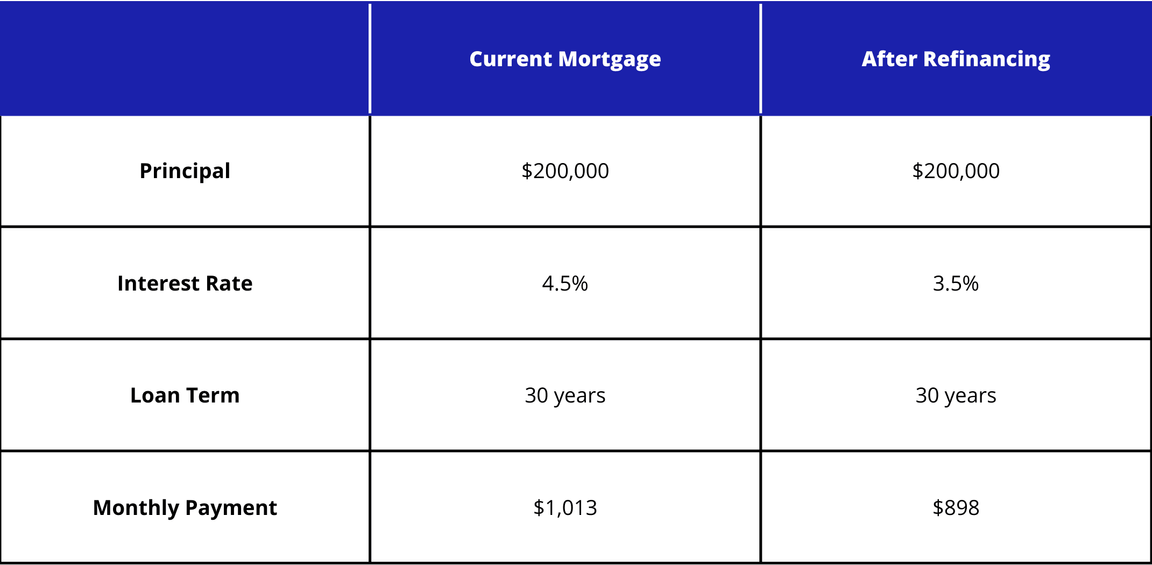 When considering refinancing a home loan in Germany, one of the primary motivations is often to secure lower interest rates. Lower interest rates can lead to significant savings over the life of the loan. Here, we will delve into the factors influencing interest rates in Germany, how refinancing can help secure lower rates, the role of credit scores in obtaining better rates, and the process of negotiating lower rates with lenders.
Factors Influencing Interest Rates in Germany
- The European Central Bank (ECB) interest rates: The ECB sets the benchmark interest rates that influence borrowing costs in Germany and the Eurozone.
- Economic conditions: Factors such as inflation, unemployment rates, and GDP growth can impact interest rates.
- Competition among lenders: Lenders' competitiveness in the market can lead to varying interest rates.
How Refinancing Can Help Secure Lower Interest Rates
Refinancing allows homeowners to take advantage of lower interest rates than when they initially obtained their mortgage. By refinancing at a lower rate, borrowers can decrease their monthly payments and save money over the life of the loan.Role of Credit Scores in Obtaining Better Interest Rates
- Credit scores play a crucial role in determining the interest rate a borrower qualifies for. Higher credit scores typically result in lower interest rates.
- Borrowers with excellent credit scores are more likely to secure the best rates when refinancing their home loans.
Process of Negotiating Lower Interest Rates with Lenders
- Research current interest rates: Understand the prevailing rates in the market to negotiate effectively with lenders.
- Highlight your creditworthiness: Provide evidence of your good credit history and financial stability to negotiate for lower rates.
- Consider multiple lenders: Compare offers from different lenders and leverage them to negotiate the best rate.
- Seek professional advice: Consult with financial advisors or mortgage brokers to help you navigate the negotiation process effectively.
Eligibility and Requirements for Home Loan Refinancing
When it comes to refinancing a home loan in Germany, there are specific eligibility criteria and requirements that individuals need to meet in order to secure lower interest rates and better terms. Understanding these factors is crucial when considering a home loan refinance.Eligibility Criteria for Home Loan Refinancing
- Stable Income: Lenders will typically look for borrowers with a stable source of income to ensure they can meet the new loan terms.
- Good Credit Score: A good credit score is essential to qualify for a home loan refinance with lower interest rates. Lenders will assess your creditworthiness before approving the refinance.
- Equity in the Property: Having equity in your property can improve your chances of getting approved for a refinance, as it reduces the lender's risk.
Documentation Required for Home Loan Refinance
- Proof of Income: Recent pay stubs, tax returns, and other income-related documents may be required to verify your financial stability.
- Credit Report: Lenders will pull your credit report to assess your creditworthiness and determine the interest rate for the refinance.
- Property Appraisal: An appraisal of your property may be needed to determine its current value and equity.
Comparison of Eligibility Requirements with Different Lenders
- Lenders may have varying eligibility requirements for home loan refinancing, so it's important to shop around and compare offers to find the best option.
- Some lenders may be more flexible with credit scores or income requirements, while others may prioritize equity in the property.
Tips to Improve Eligibility for Better Refinancing Options
- Work on Improving Credit Score: Pay off outstanding debts, make timely payments, and avoid new credit applications to boost your credit score.
- Increase Equity in Property: Making extra payments towards your mortgage can help build equity in your property, improving your chances of securing a better refinance deal.
- Shop Around: Compare offers from multiple lenders to find the most competitive rates and terms for your home loan refinance.
Risks and Considerations in Home Loan Refinancing
When considering refinancing a home loan in Germany, it is essential to be aware of the potential risks involved. Understanding these risks can help you make informed decisions and avoid financial pitfalls.Potential Risks Associated with Refinancing a Home Loan
- Higher Total Interest Costs: Refinancing can result in extending the loan term, leading to higher total interest costs over the life of the loan.
- Prepayment Penalties: Some lenders may charge prepayment penalties when you refinance, increasing the overall cost of the new loan.
- Fluctuating Interest Rates: If you switch from a fixed-rate to a variable-rate loan, you may be exposed to interest rate fluctuations, impacting your monthly payments.
Importance of Considering the Break-Even Point
Before opting for a home loan refinance, it is crucial to calculate the break-even point. This point represents the time it takes for the savings from refinancing to offset the costs involved. It helps determine if refinancing is financially beneficial in the long run.Strategies to Mitigate Risks when Refinancing a Home Loan in Germany
- Compare Offers: Obtain quotes from multiple lenders to find the best deal and ensure you understand all terms and conditions.
- Avoid Extending the Loan Term: Try to keep the new loan term as close as possible to the remaining term of your current loan to minimize interest costs.
- Consider Future Plans: Evaluate your long-term financial goals and how refinancing aligns with them to avoid unnecessary risks.
Costs Involved in Refinancing a Home Loan and How to Evaluate if It’s Worth It
- Closing Costs: Refinancing typically involves closing costs such as appraisal fees, title search fees, and loan origination fees.
- Evaluate Savings: Calculate the total savings from refinancing by comparing the new loan's interest rate, monthly payments, and total interest costs with your current loan.
- Consult a Financial Advisor: Seek advice from a financial advisor to assess whether the potential savings outweigh the costs of refinancing in your specific situation.
Ultimate Conclusion
As we conclude this exploration of refinancing a home loan in Germany, remember that the key to financial success lies in making well-informed decisions. By leveraging the knowledge gained here, you are better equipped to navigate the complexities of home loan refinancing and secure a brighter financial future.
Answers to Common Questions
What factors influence interest rates in Germany?
Interest rates in Germany are influenced by the European Central Bank's monetary policy, inflation rates, and the overall economic climate.
What documentation is required for a home loan refinance in Germany?
Typically, you will need proof of income, credit history, property documents, and information on existing loans.
How can one improve eligibility for better refinancing options?
Improving your credit score, reducing existing debt, and maintaining a stable income can enhance your eligibility for favorable refinancing options.
What are the potential risks of refinancing a home loan in Germany?
Risks include incurring additional costs, extending the loan term, and facing fluctuations in interest rates.
How to evaluate if the costs involved in refinancing a home loan are worth it?
Calculate the break-even point to determine how long it will take to recover the costs of refinancing through lower monthly payments.